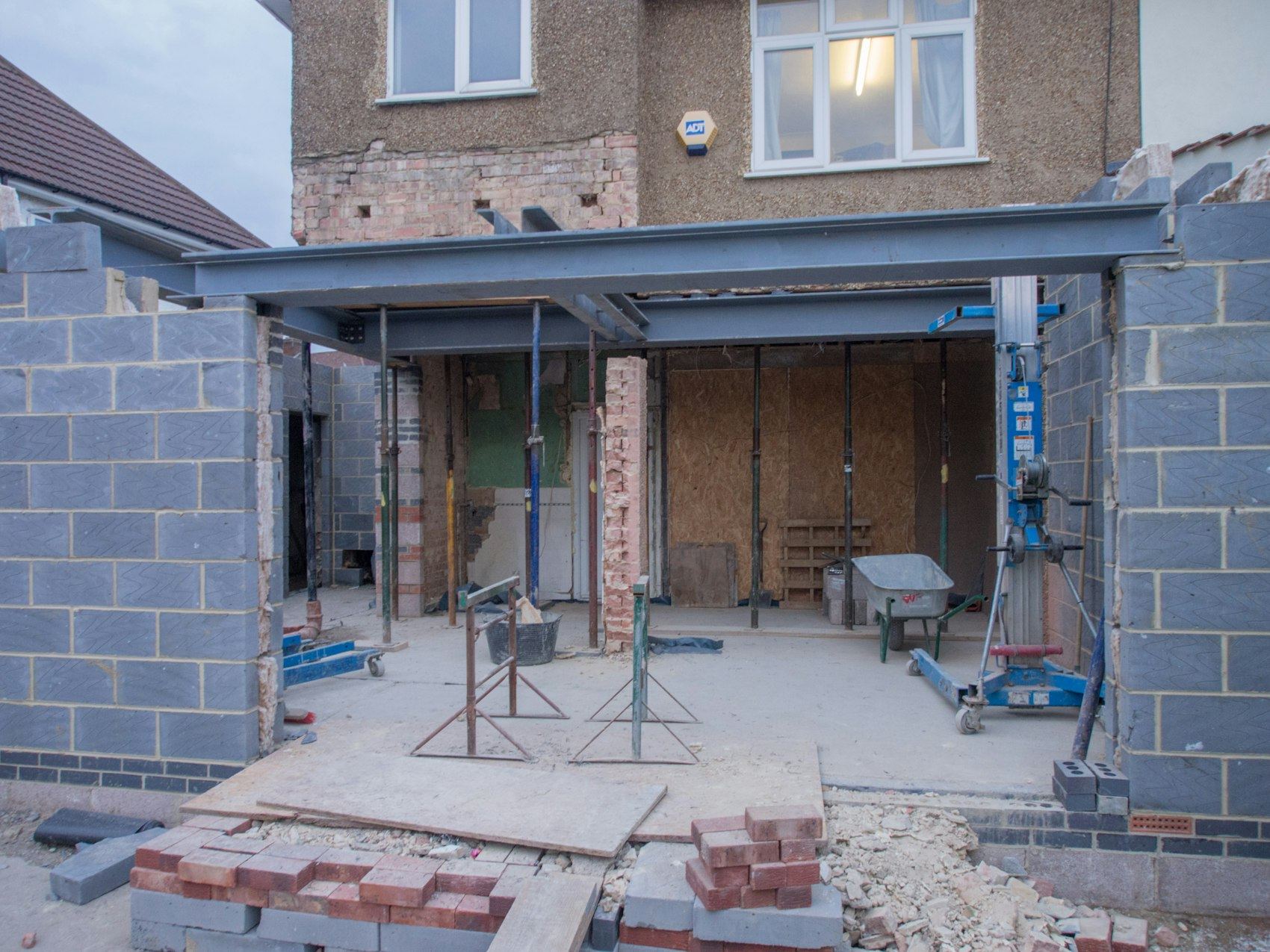
Structural monitoring
Crack monitoring in Preston before repair work
If your insurer wants movement monitored first, send an enquiry. A specialist firm will explain what gets fitted and how long it takes, without charging you for the initial conversation.
Monitoring and repair services
A specialist firm handles each stage of structural monitoring in Preston, from fitting gauges to carrying out the eventual repair.
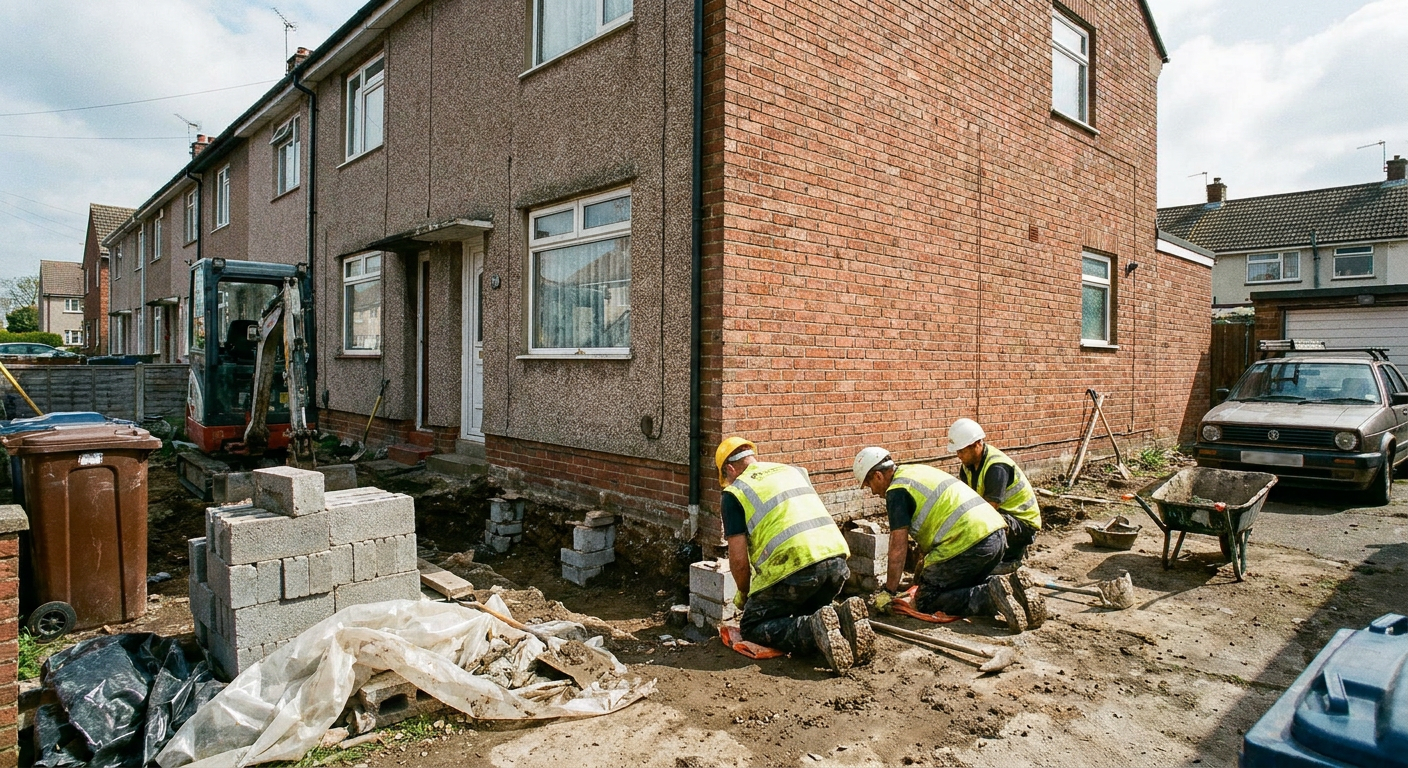
Subsidence Survey in Preston
When readings confirm ongoing movement beneath the home.
Crack Repair in Preston
Once monitoring proves the wall has stopped moving.
Foundation Repair in Preston
If the ground needs stabilising after the monitoring period.
Underpinning Contractors
Choosing the right firm once a decision is made.
What changes the cost of a monitoring period
Every home moves differently. The length of time gauges stay on the wall, the number of visits needed and the type of equipment used all shape what the specialist charges.
- Number of gauges fitted
- More cracks mean more tell-tale gauges to install, read and record at every visit.
- Length of the monitoring period
- A longer schedule requires repeated visits across several seasons to capture full movement.
- Level monitoring requirements
- Precise level surveys need additional equipment and take longer to complete on site.
The specialist explains the exact cost for your home before any work is agreed.
Common questions
Why an insurer asks for movement monitoring first
An insurer wants proof that movement is active before paying for underpinning or repairs, so they ask for a period of observation.
- Why repairs cannot start yet Repairs done while the wall still moves will crack again. Monitoring confirms whether the ground has settled or if intervention like mass concrete underpinning is actually needed.
- How long monitoring usually runs Most insurers require twelve months of readings to capture seasonal change. That answers how long to monitor cracks in a house before anyone makes a decision.
- What gets fitted to the wall A tell-tale crack gauge is fixed across the fracture. It sits flat against the brickwork and is rarely noticeable from the street.
- How often readings are taken A specialist typically visits every three months to record crack width readings across Preston, noting temperature and weather conditions each time.
- What the readings decide They determine if movement is historic, seasonal or progressive. Progressive movement means a subsidence survey is the next step; stable readings point toward simple crack repair.
- Selling during the monitoring period You can sell, but you must disclose the ongoing monitoring. Buyers and their lenders will want to see the readings gathered so far.
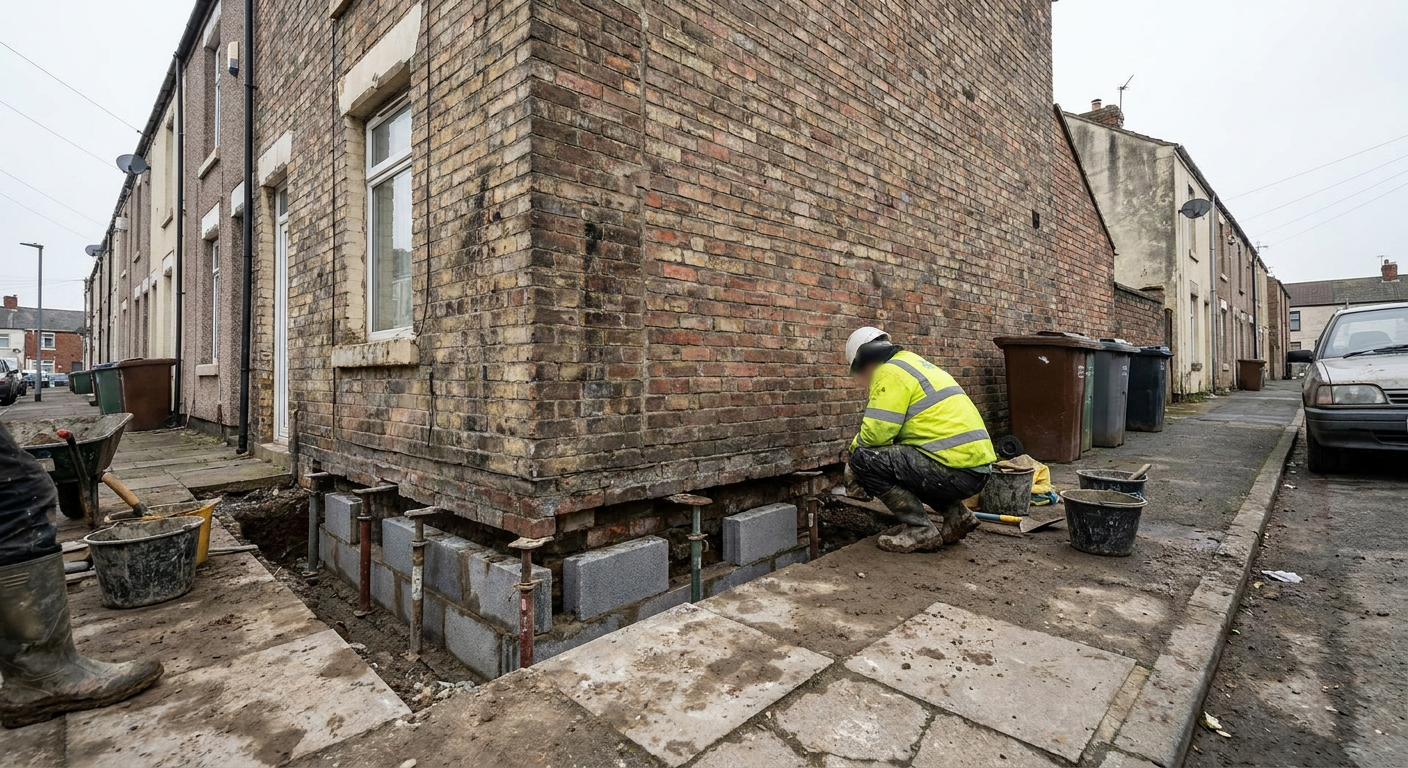
What you receive after monitoring ends
At the end of the period, the specialist produces a written record of every reading. This evidence decides whether your home needs further investigation or just cosmetic repair.
- Gauge reading schedule
- A dated log showing how the crack opened or closed between each visit, used by insurers to assess the claim.
- Level survey report
- Measurements taken across the floor or walls to show if the whole structure tilted during the monitoring window.
- Specialist recommendation
- A clear statement on whether the movement has stopped or if foundation repair is now required.
Areas covered for structural monitoring
Specialist firms carry out movement monitoring before underpinning across Preston and the surrounding towns. Whether your home sits on clay in Penwortham or near the Ribble, the same process applies.
- Structural monitoring Ashton-on-Ribble
- Structural monitoring Avenham
- Structural monitoring Bamber Bridge
- Structural monitoring Broadgate
- Structural monitoring Cadley
- Structural monitoring Clayton-le-Woods
- Structural monitoring Deepdale
- Structural monitoring Farington
- Structural monitoring Fishwick
- Structural monitoring Fulwood
- Structural monitoring Grimsargh
- Structural monitoring Leyland
- Structural monitoring Penwortham
- Structural monitoring Ribbleton
If your area is not listed, send an enquiry to check coverage.
Ask about monitoring your home
Send the details of the cracks you have noticed. A specialist firm will review them and explain whether monitoring is the right step, with no obligation to proceed.
- No obligation
- Free initial review
- Local specialists