Preston homes
How wide is a serious crack in a wall?
Find out what the crack means and how to record it. Send details about your home for free advice on whether a specialist needs to visit.
Measuring cracks in brickwork around Preston
You will know how to measure a crack, photograph it with a scale, keep a dated record and decide when to call a specialist.
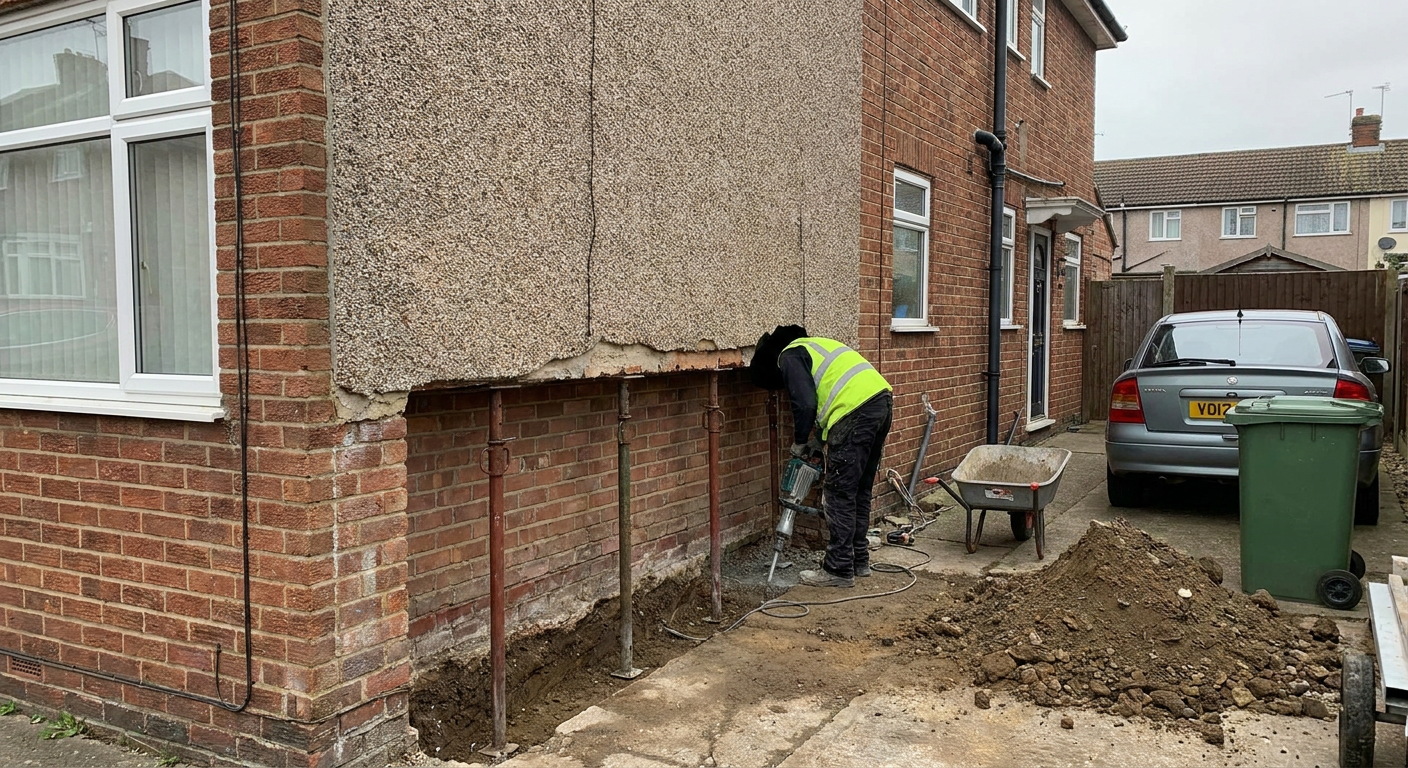
Finding out how wide is a serious crack
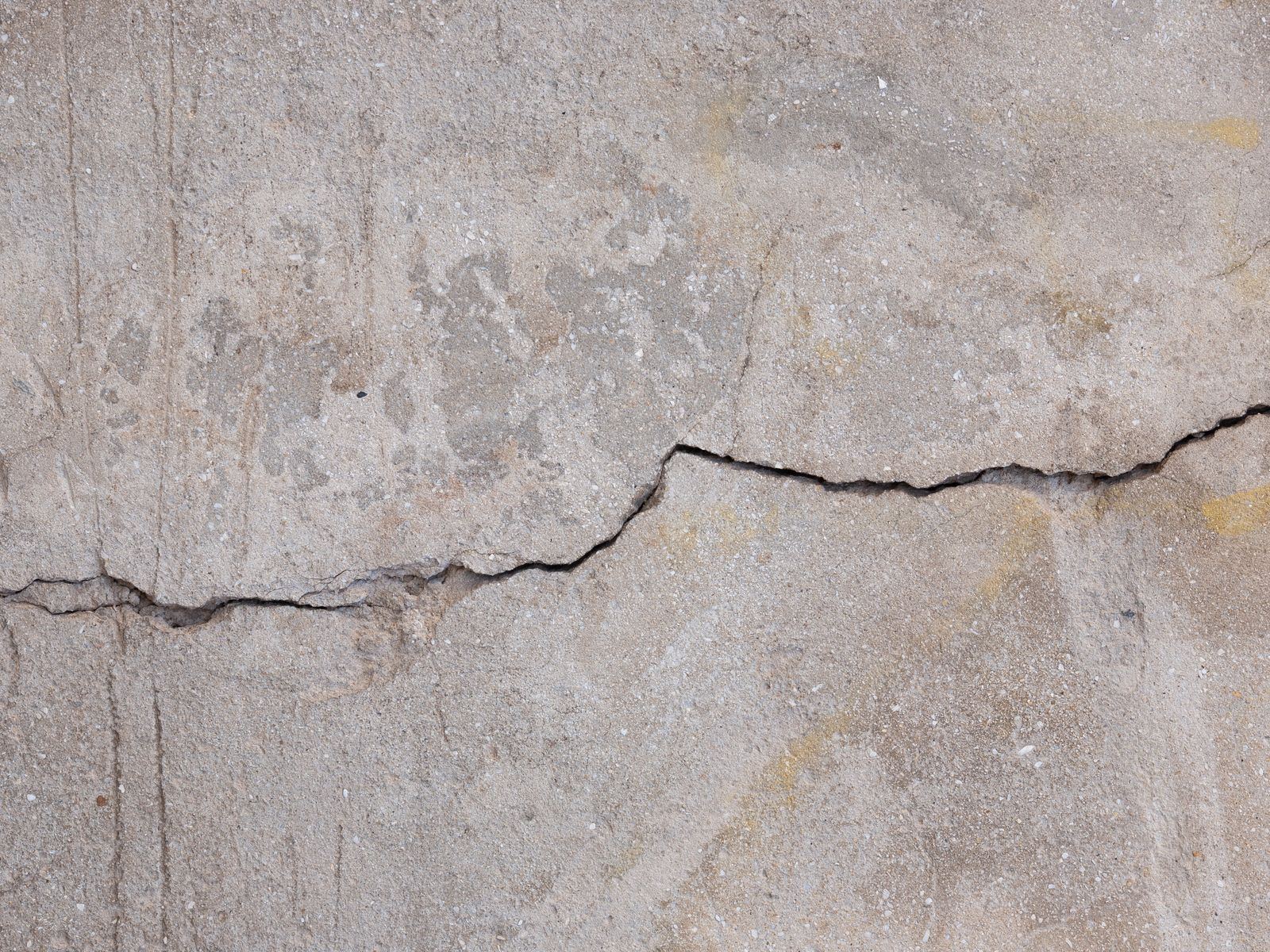
A hairline crack in plaster is common in older Preston homes. The question of how wide is a serious crack usually comes up when a gap opens beyond two millimetres. At that point, measuring cracks in brickwork becomes worth doing properly.
If you wonder whether your wall crack is serious, start by looking at where it runs. A crack following mortar joints in stepped lines often points to movement in the foundations. One cutting straight through bricks might mean something else entirely. Either way, recording the width gives a structural engineer or surveyor a starting point.
Many homeowners search for a crack width guide UK because building standards here use specific thresholds. Below one millimetre, damage is usually cosmetic. Between one and five millimetres, doors may stick and windows jam. Beyond five millimetres, a specialist should look at the structure. You can read more about [stepped cracking in local brickwork](/cracks/stepped-cracks-brickwork-preston) to see how pattern matters as much as size.
What to use if you lack a crack gauge
You do not need professional equipment to start monitoring. A standard thirty-centimetre ruler held flat against the wall works for most gaps. Place it so the zero mark sits at one edge of the crack and read the widest point.
For smaller measurements, a set of feeler gauges from a hardware shop does the job. Slide each blade into the gap until one fits snugly. Some people buy a dedicated crack gauge for home use, a small plastic card printed with tapering lines. Hold it against the wall and note which line matches the opening.
Whatever you use, write down the tool and the date. Consistency matters more than precision at this stage. If the gap changes over weeks, a specialist arranging [crack monitoring in Preston](/underpinning/structural-monitoring-preston) will want to see those early readings to understand the rate of movement.
Photographing cracks for insurance records
Photographing cracks for insurance claims or surveys requires a few simple habits. Always include a scale in the frame. A coin, a ruler or a pencil laid across the crack shows its true size. Without a reference object, a photograph tells a surveyor very little.
Take the shot straight on, not at an angle. Fill the frame with the damaged area but also take a wider picture showing where the crack sits on the wall. Mention nearby features like window frames or doorways so the location is obvious later.
Date every photograph. Most phones stamp images automatically, but writing the date on a scrap of paper in the corner of the shot removes any doubt. Repeat this every two to four weeks, or after heavy rain and long dry spells. Ground conditions in areas like [Bamber Bridge](/preston/bamber-bridge) and [Leyland](/preston/leyland) shift with the seasons, so regular pictures capture that cycle.
Reading the shape of the crack
The shape of a crack carries as much information as its width. A gap that is wider at the top than the bottom often suggests one side of the foundation has dropped. This pattern is common where clay soil shrinks during summer. You can read more about [clay soil and cracked walls](/cracks/clay-soil-and-cracked-walls) to understand why this happens locally.
A crack wider at the base might indicate something pushing the wall outward, such as a failing retaining structure or pressure from saturated ground near the [Ribble](/insights/homes-near-the-ribble-soft-alluvial-ground-and-silt). Horizontal cracks running along a single course of bricks sometimes point to rusting wall ties rather than subsidence.
Note the direction in your written record. Draw a simple sketch of the wall and mark where the crack starts, where it ends and where it is widest. That sketch, combined with dated photographs, helps a structural engineer decide whether [mass concrete underpinning](/underpinning/mass-concrete) or another method suits the problem.
Inside walls and outside brickwork together
Movement rarely stays on one side of a wall. Measure cracks inside the house as well as outside. Internal plaster cracks often appear first because plaster is brittle, while external brickwork takes longer to show damage. Check both faces of the same wall to see if a crack passes all the way through.
Pay attention to corners, lintels above windows and the junctions where internal partition walls meet external ones. These spots concentrate stress. If doors begin sticking or windows jam in their frames, check the surrounding walls for new hairlines. Those symptoms often accompany foundation movement, as described in the guide to [sticking doors and windows](/cracks/sticking-doors-and-windows).
Record internal and external measurements separately but on the same sheet of paper. A surveyor comparing the two sets can determine whether the whole wall is tilting or just the outer skin is bulging.
When to stop measuring and ask for help
Keeping your own record is useful, but it has limits. If a crack reaches five millimetres, grows noticeably between checks, or new cracks appear rapidly, stop measuring and phone a specialist. Waiting months to build a perfect file delays the investigation.
A surveyor will accept photographs and notes you have taken yourself, provided they are clear, dated and include a scale. Hand-written logs are fine. What matters is consistency. Your early record becomes part of the evidence when someone applies for [building control approval](/insights/building-control-approval-for-underpinning-in-preston) or files a claim. Insurers look at the same material when assessing a case.
Do not assume a crack will stabilise on its own. After a dry summer, shrinking clay beneath areas like [Fulwood](/preston/fulwood) or [Penwortham](/preston/penwortham) can cause sudden movement. If you notice rapid widening, a [subsidence survey](/underpinning/subsidence-survey-preston) is the logical next step. The specialist firm will bring calibrated gauges and tell you whether [resin injection](/underpinning/resin-injection-preston), [mini piling](/underpinning/mini-piled) or [foundation repair](/underpinning/foundation-repair-preston) is appropriate.
How to monitor a crack step by step
- 1
Mark the ends
Draw a small pencil line at the top and bottom of the crack so you can see if it lengthens.
- 2
Measure the width
Hold a ruler or gauge flat against the widest point and write down the reading with today's date.
- 3
Take a photograph
Place a coin or ruler across the crack, shoot straight on, and ensure the date is recorded.
- 4
Repeat regularly
Check again every two to four weeks, or after prolonged rain or drought, adding each result to your log.
- 5
Share your record
Give the dated notes and photographs to the specialist firm when you arrange an inspection.
Monitoring a crack yourself or calling a firm
Both approaches have a place. Knowing the difference helps you act at the right moment without wasting time.
| Your own record | Specialist survey | |
|---|---|---|
| Tools needed | Your own recordRuler, pencil, camera and a notebook. | Specialist surveyCalibrated gauges, levels and monitoring pins. |
| Accuracy | Your own recordGood enough to spot trends over weeks. | Specialist surveyPrecise measurements down to fractions of a millimetre. |
| When to choose | Your own recordAt the first sign of a new hairline crack. | Specialist surveyWhen a gap exceeds five millimetres or grows fast. |
| Cost | Your own recordNothing beyond your own time. | Specialist surveyPaid investigation by a specialist firm. |
A specialist advises which approach suits the situation after examining the wall and ground conditions.
Send us details about your crack
Tell us what you have measured and photographed. We pass your notes to a specialist firm who will advise on next steps. There is no charge and no obligation to proceed.
- No cost to enquire
- No obligation to proceed
- Local specialists only