About the firm
Who arranges underpinning work behind this site
Send details about the problem at your home and receive a response without paying anything. There is no obligation to proceed once you understand what the ground beneath your house is doing.
Describe the problem at your home Read how the process works
What Preston Underpinning does
Taking enquiries about foundations in Preston
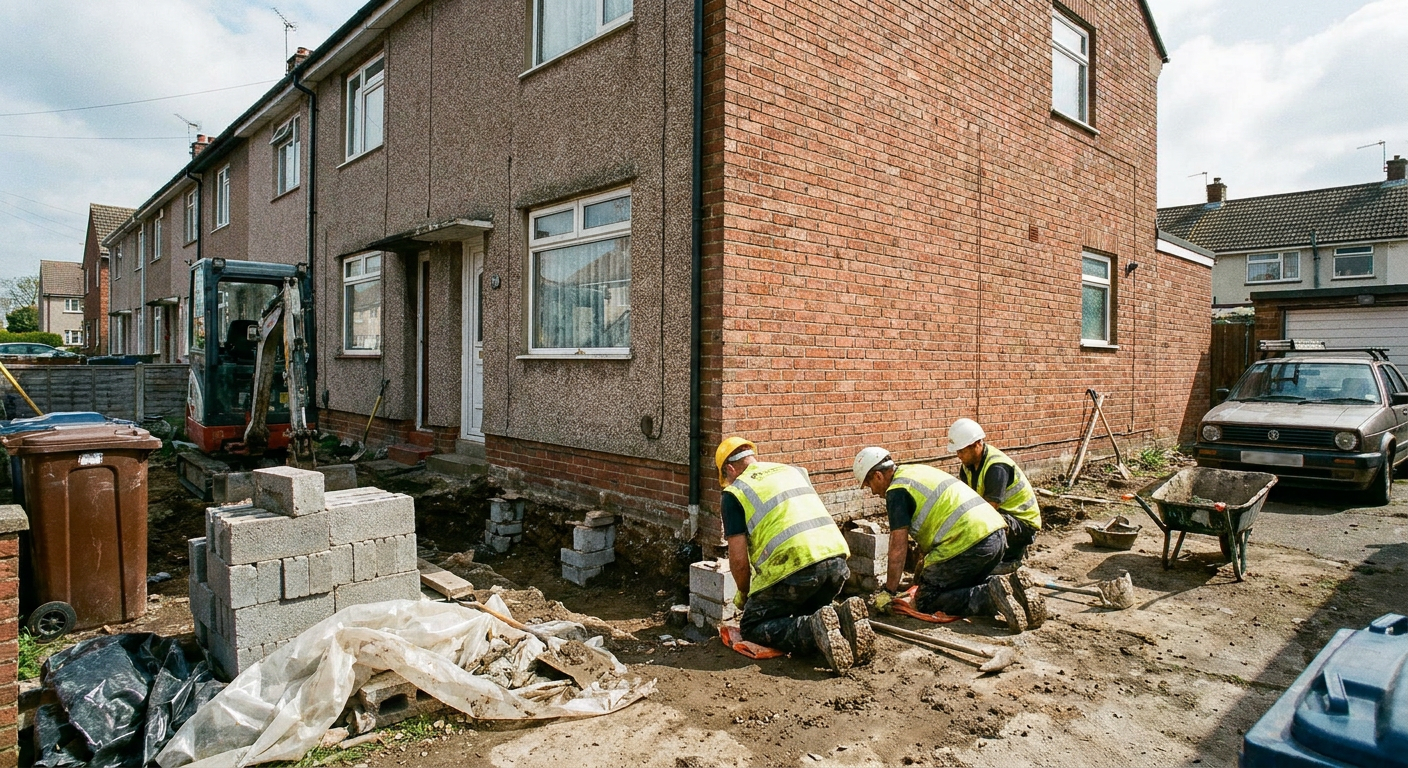
Preston Underpinning receives enquiries from homeowners who have noticed cracks, sticking doors or floors that slope. The firm exists to take those details and pass them to specialist contractors who carry out underpinning and foundation repair across Preston.
The work itself is done by separate firms with their own plant, engineers and insurance. Preston Underpinning handles the initial conversation so the homeowner has one place to start when something looks wrong with their house.
Enquiries cover every method used locally, including [mass concrete underpinning](/underpinning/mass-concrete), [mini piled underpinning](/underpinning/mini-piled) and [resin injection](/underpinning/resin-injection-preston). Each method suits different ground conditions, and the specialist contractor decides which one applies after inspecting the site.
Ground conditions around the Ribble valley
Preston sits on varied geology. Parts of the town rest on boulder clay and glacial till, which shrinks when dry and swells when wet. Areas closer to the river sit on soft alluvial ground and silt that compresses under load. Older neighbourhoods were built on made ground left behind by mills and earlier industry.
These conditions mean subsidence shows up differently depending on the street. A house in [Fulwood](/preston/fulwood) might move because of clay shrinkage after a long summer, while a property near the river in [Penwortham](/preston/penwortham) faces settlement from soft deposits. Understanding the local soil is why the guides on this site exist, covering topics like [boulder clay beneath Preston homes](/insights/boulder-clay-and-glacial-till-beneath-preston-homes) and [soft alluvial ground near the Ribble](/insights/homes-near-the-ribble-soft-alluvial-ground-and-silt).
From first crack to finished repair
A homeowner usually notices a problem before they know what caused it. A line appears in the plaster above a window frame, or a door starts catching on its frame. Measuring that crack gives a starting point, and reading about [how wide a serious crack is](/cracks/measure-a-crack-at-home) helps decide whether to act now or wait.
Once an enquiry arrives, the next step is typically a [subsidence survey](/underpinning/subsidence-survey-preston). The specialist visits the home, records the damage and checks the drainage and nearby trees. If movement is still happening, [crack monitoring](/underpinning/structural-monitoring-preston) tracks whether the walls are shifting over weeks or months.
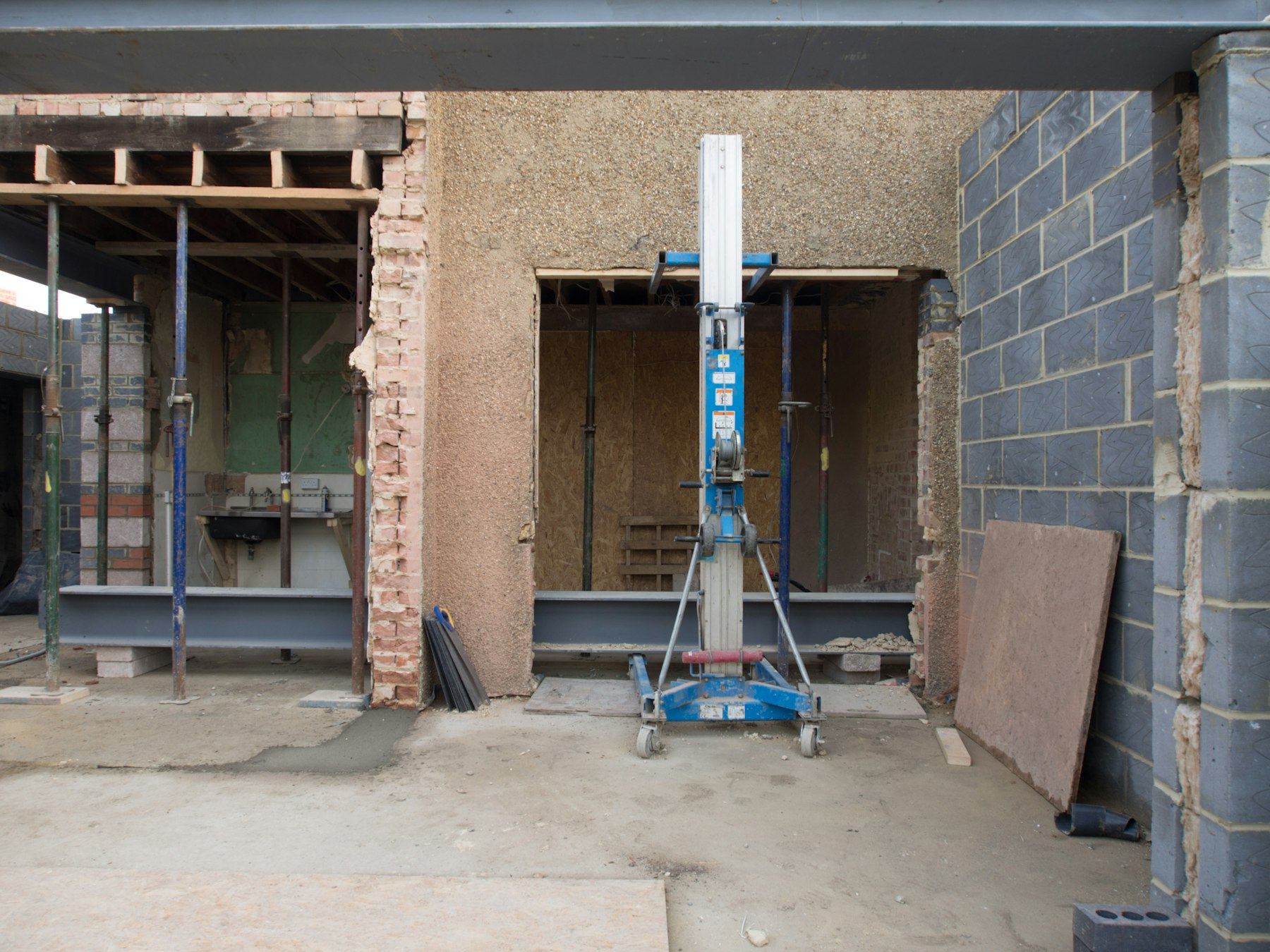
When the cause is established, the contractor proposes a fix. That might be [crack repair](/underpinning/crack-repair-preston) for localised damage, or full [house underpinning](/underpinning/house-underpinning-preston) if the foundations have failed. Every job requires [building control approval](/insights/building-control-approval-for-underpinning-in-preston), and the paperwork stays with the house for future buyers.
Neighbourhoods covered across the borough
Subsidence does not stay within one postcode. Enquiries come from terraced streets in [Avenham](/preston/avenham) and [Fishwick](/preston/fishwick), semis in [Ashton-on-Ribble](/preston/ashton-on-ribble) and detached houses in [Grimsargh](/preston/grimsargh). Each area has its own history of building and its own soil profile.
The firm also takes enquiries from surrounding towns where the same clay and sandstone formations run beneath the surface. Homeowners in [Bamber Bridge](/preston/bamber-bridge), [Leyland](/preston/leyland) and [Clayton-le-Woods](/preston/clayton-le-woods) see similar patterns of seasonal cracking, especially after dry spells when the ground loses moisture and pulls away from shallow footings.
A full list of [areas covered around Preston](/preston) shows where enquiries are handled regularly. The specialist contractors travel throughout the region, so location alone does not rule out help.
What you receive after an enquiry
Every investigation produces written evidence. The specialist contractor documents what they find and what they recommend, leaving you with a clear record of the condition of your home.
- Survey report
- A written account of the ground conditions, visible damage and the recommended repair method for your home.
- Monitoring data
- Measurements taken over time showing whether cracks in your walls are widening, closing or staying still.
- Method statement
- A step-by-step description of the proposed underpinning work, prepared so building control can review and approve the plans before a specialist firm starts on your home.
Tell us what you have noticed at home
Send a description of the crack or movement you have seen. The details go directly to a specialist contractor who will respond. There is no fee for this and no obligation to accept any proposal.
- No cost to enquire
- No obligation to proceed
- Direct to specialists