Preston
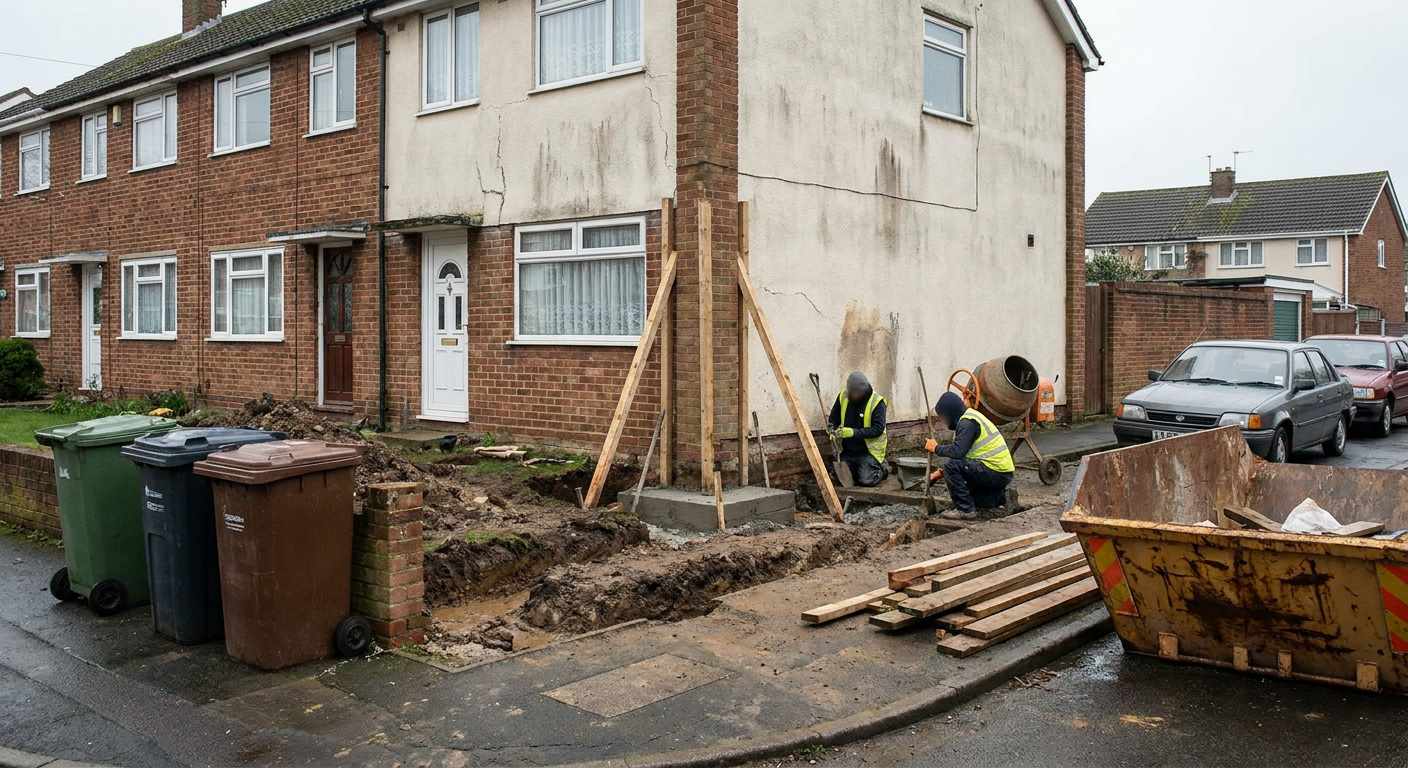
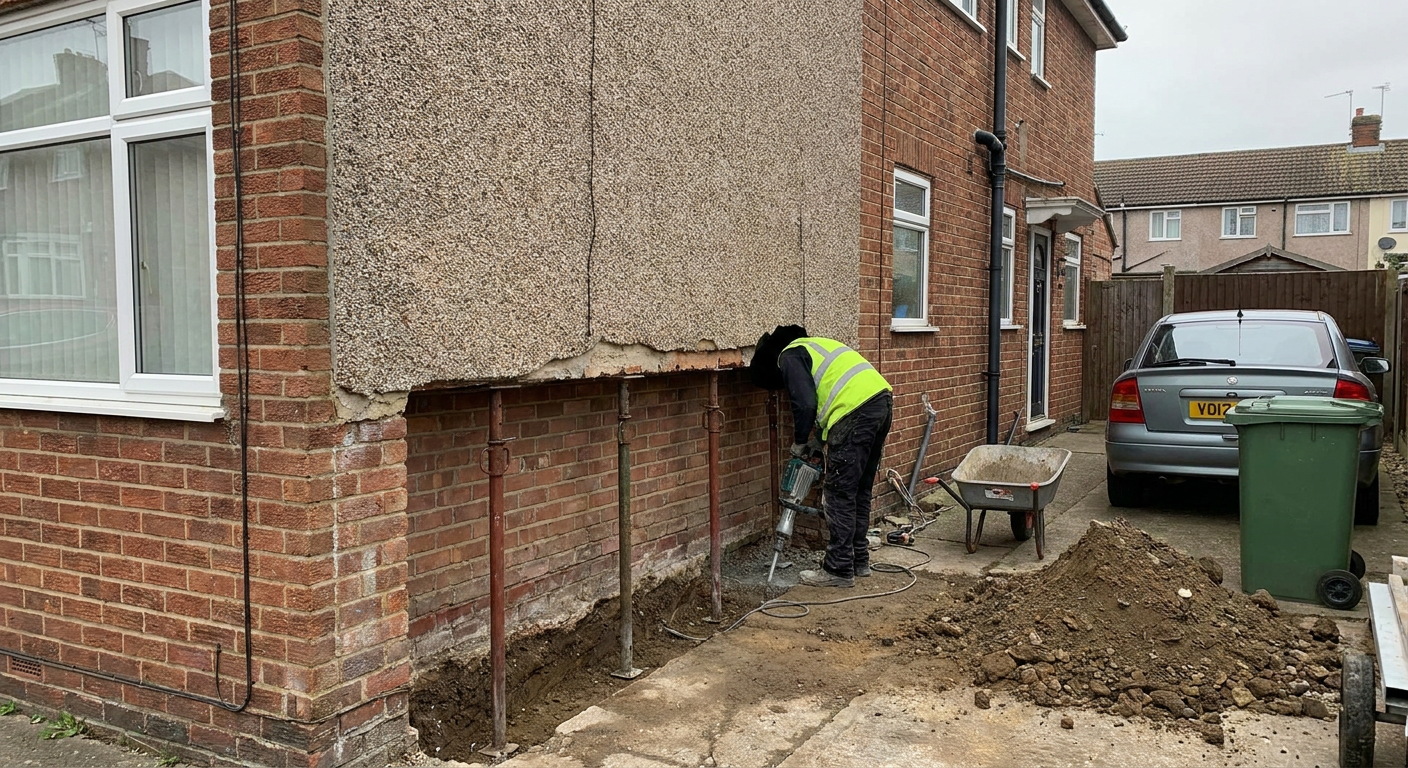
Residential underpinning in Preston for houses
Send details about your home and find out what the movement means. A subsidence survey costs nothing, carries no obligation, and tells you whether residential underpinning in Preston is needed at all.
Choosing how to underpin your house
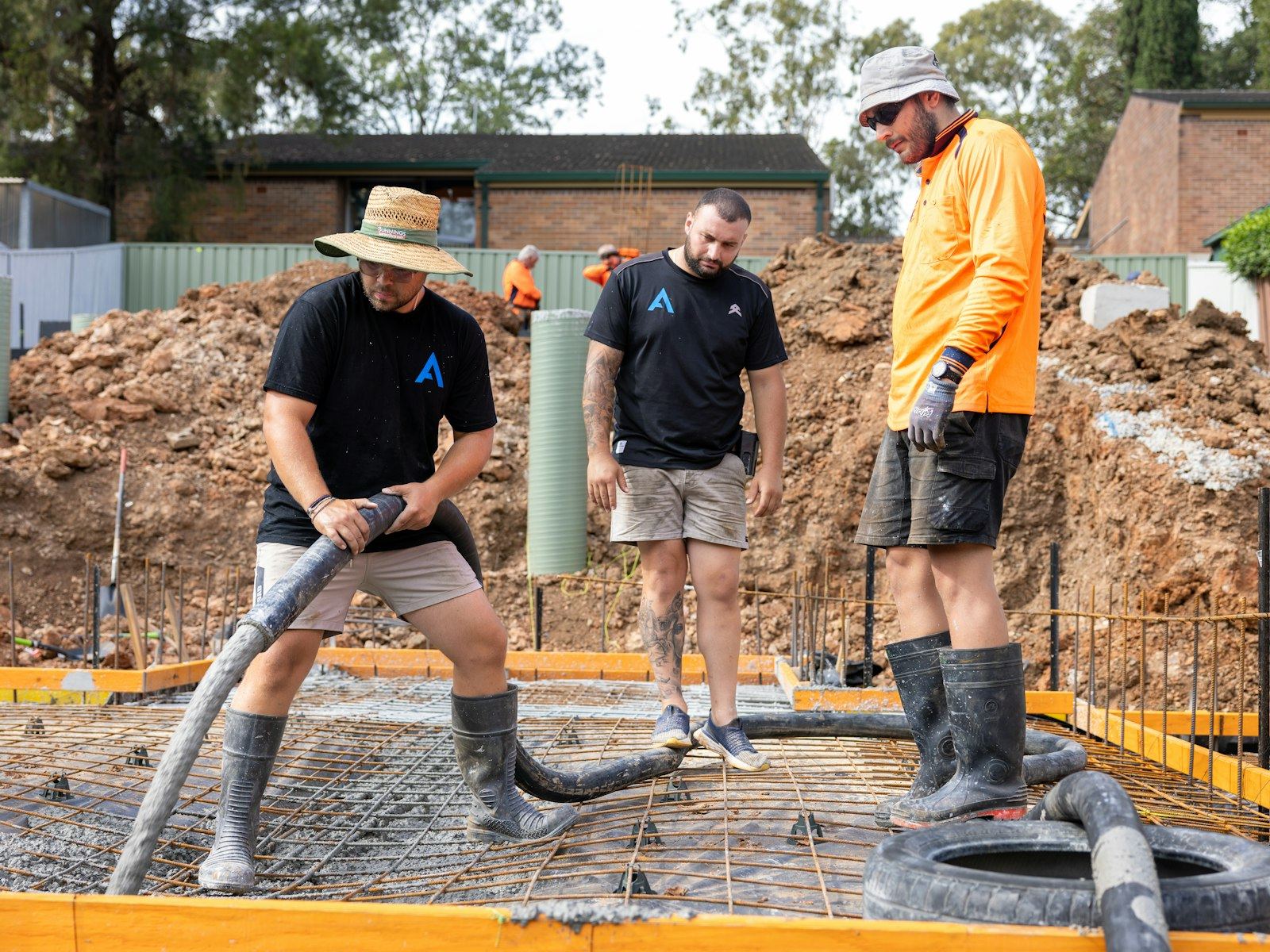
Different ground conditions and access constraints mean different methods suit different homes across Preston.
Ground conditions
- Mass concrete
- Works where firm soil sits at a reachable depth beneath the existing footing.
- Mini piled
- Used when stable strata lie deep below soft or made ground.
Access around the home
- Mass concrete
- Needs space for excavation plant to reach the foundation line.
- Mini piled
- Rigs are smaller and fit through narrower side passages.
Depth of new support
- Mass concrete
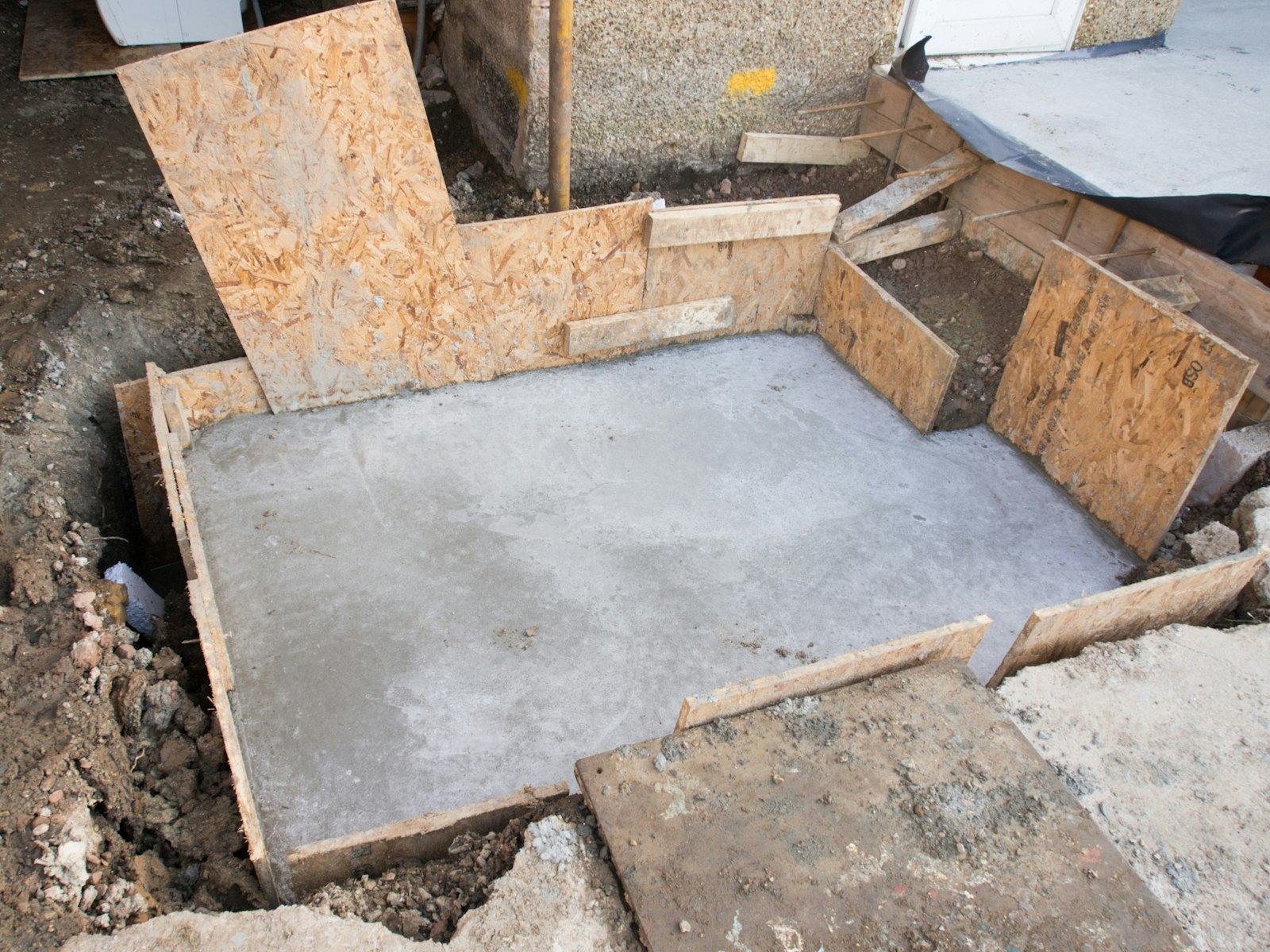
- Pours concrete into trenches dug directly below the current base.
- Mini piled
- Drives steel piles down to load-bearing layers well below the surface.
Typical application
- Mass concrete
- Often specified for older terraced and semi-detached houses.
- Mini piled
- Frequently chosen where clay shrinkage has caused deeper settlement.
The specialist examines the soil and the building before advising which method fits the job.
What shapes the cost of underpinning a house
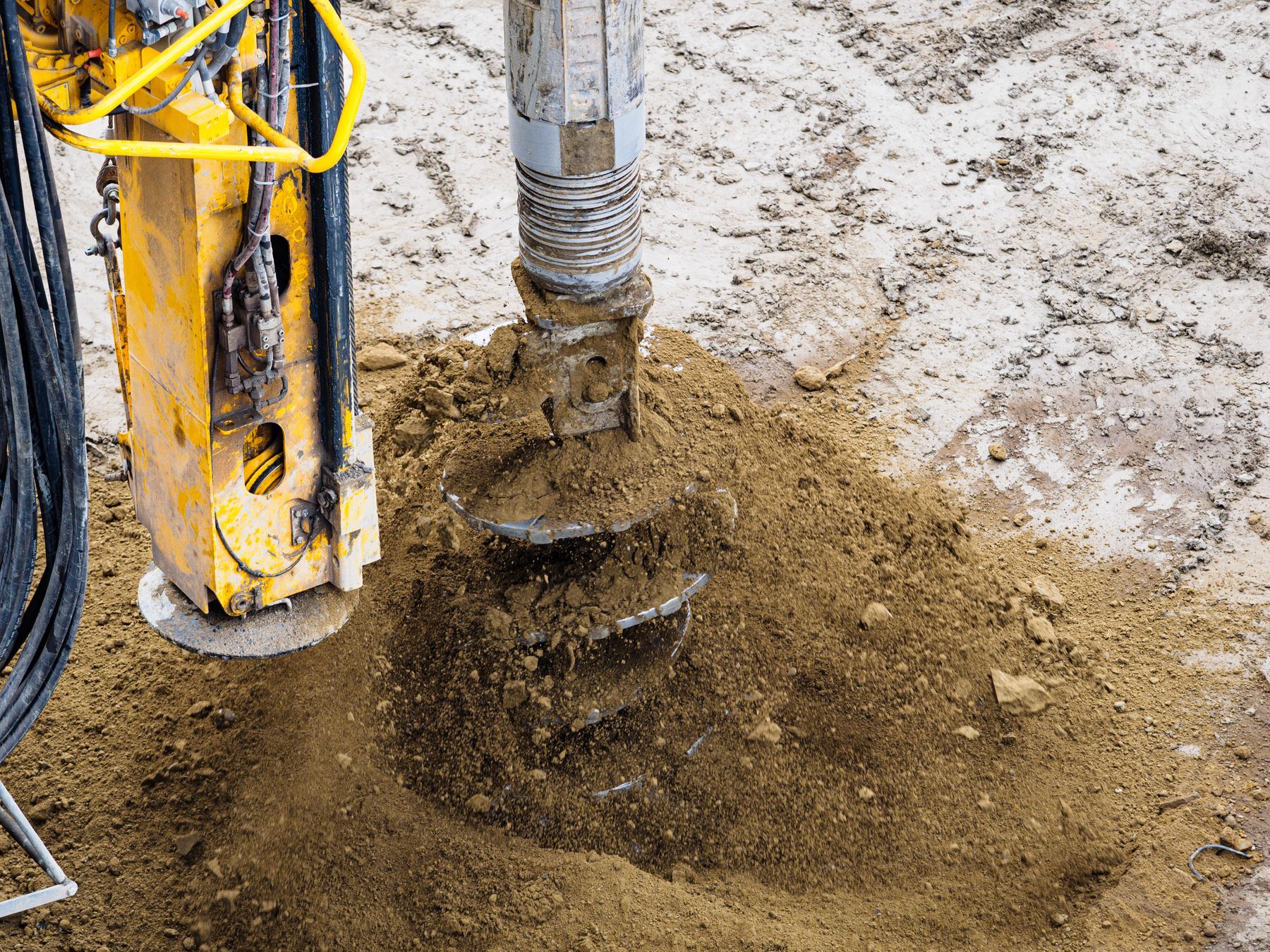
Every home sits on different ground, so the work involved changes from one address to the next. The scope of the fix determines the figure, not a standard rate card.
- Depth of the new foundations
- Deeper excavations take longer and need more material, so the amount of digging directly affects the total.
- Access to the working area
- Tight side returns or shared boundaries limit machinery size, meaning more manual labour is required.
- Length of wall affected
- Stabilising a single corner involves less trenching than supporting an entire elevation of the house.
- Soil type beneath the home
- Boulder clay behaves differently from alluvial silt near the Ribble, changing the method the specialist uses.
- Extensions and additions
- An extension built on shallower footings than the main house may need separate support.
The specialist explains the full cost of the particular job before anything is agreed.
Signs your home might need underpinning
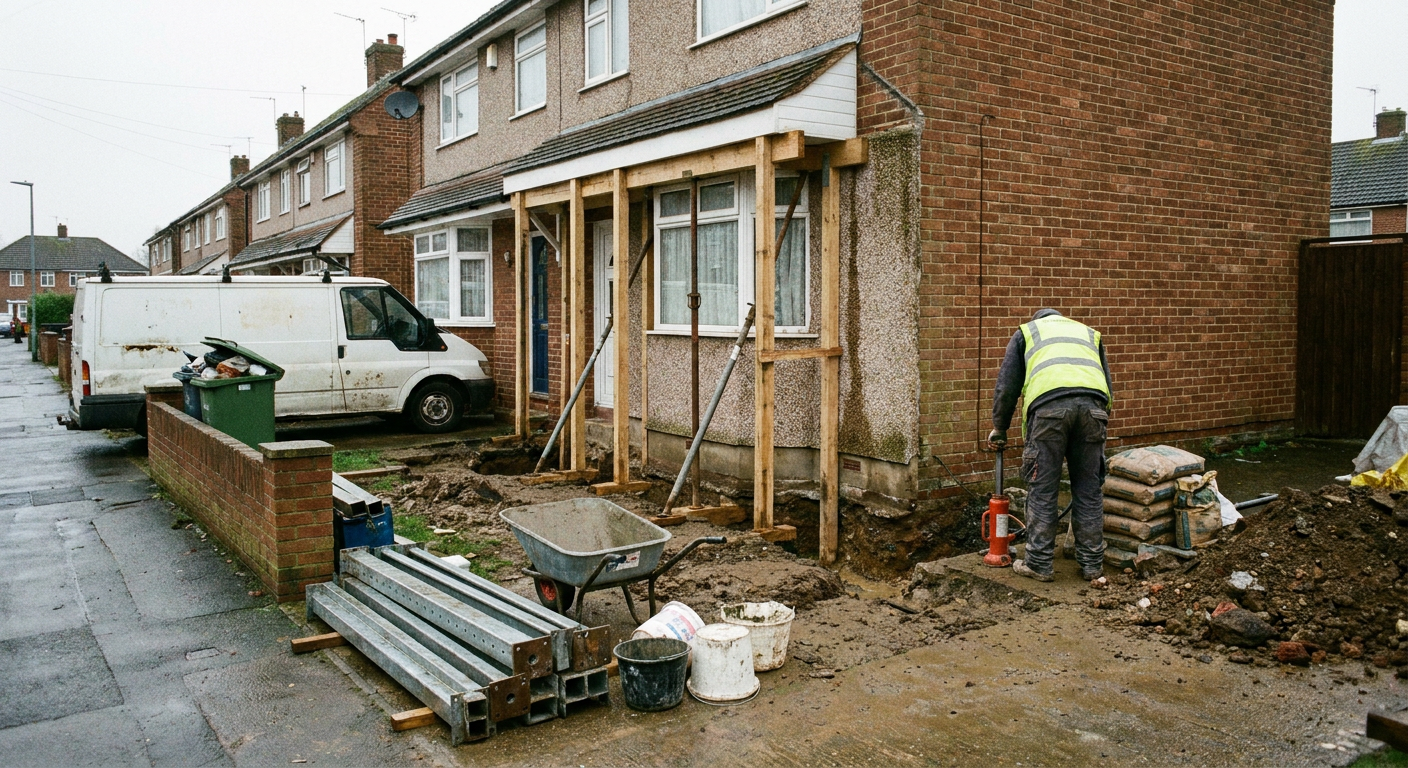
Subsidence happens when the ground beneath a house shifts or shrinks, pulling the foundations down with it. Walls crack because brickwork cannot stretch. Spotting the signs early means the specialist can monitor the movement before deciding if foundation repair for homes in Preston is necessary.
- 1
Stepped cracks in brickwork
Cracks following mortar lines in a staircase pattern often point to differential settlement. They can also result from thermal movement.

- 2
Doors sticking in frames
Frames distort when walls drop unevenly. A door that jams only in certain weather might just be swelling timber.
- 3
Gaps around window sills
Visible daylight between the frame and the masonry suggests the wall has moved away from the opening.
- 4
New cracks after dry weather
Long dry spells shrink clay soils. Cracks appearing in late summer may widen each year without intervention.
What you receive after the survey
A structural assessment produces evidence rather than guesswork. You get written findings explaining what is happening to your home and exactly what needs doing to stop it.
- Written survey report
- Details the cause of movement, the extent of damage, and whether the structure is still settling.
- Scope of works
- Sets out the specific method recommended, such as mass concrete or resin injection, and why it suits your home.
- Monitoring schedule
- If the movement is seasonal, this outlines how long the specialist tracks the cracks before any digging starts.
Areas covered for house underpinning
Specialist firms handle residential underpinning across Preston and the surrounding towns. Whether your home is in Penwortham, Leyland, Bamber Bridge or Clayton-le-Woods, the same process applies from initial survey through to finished repair.
- House underpinning Ashton-on-Ribble
- House underpinning Avenham
- House underpinning Bamber Bridge
- House underpinning Broadgate
- House underpinning Cadley
- House underpinning Clayton-le-Woods
- House underpinning Deepdale
- House underpinning Farington
- House underpinning Fishwick
- House underpinning Fulwood
- House underpinning Grimsargh
- House underpinning Leyland
- House underpinning Penwortham
- House underpinning Ribbleton
If your street is not mentioned, send an enquiry anyway. Coverage extends throughout the wider borough.
Tell us about your home
Describe what you have noticed and where. Your message goes to a local specialist who will explain whether the movement needs monitoring or immediate work. Sending an enquiry commits you to nothing.
- No obligation
- Free initial advice
- Local specialists