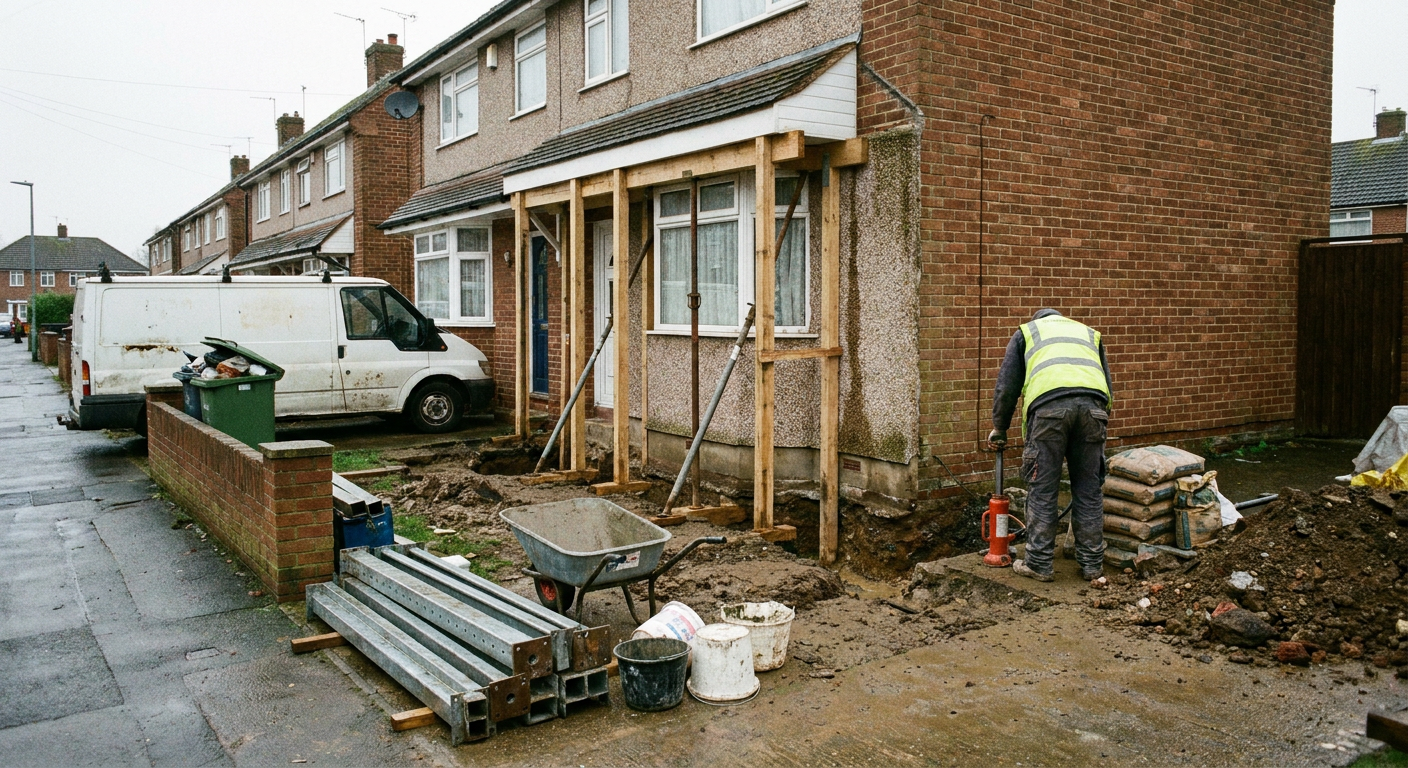
Buying or selling in Preston
Survey found structural movement: next steps
Send the details from your survey and find out what a specialist report adds. There is no fee for the initial enquiry, and no obligation to proceed with any work on your home.
What to do when a survey found structural movement
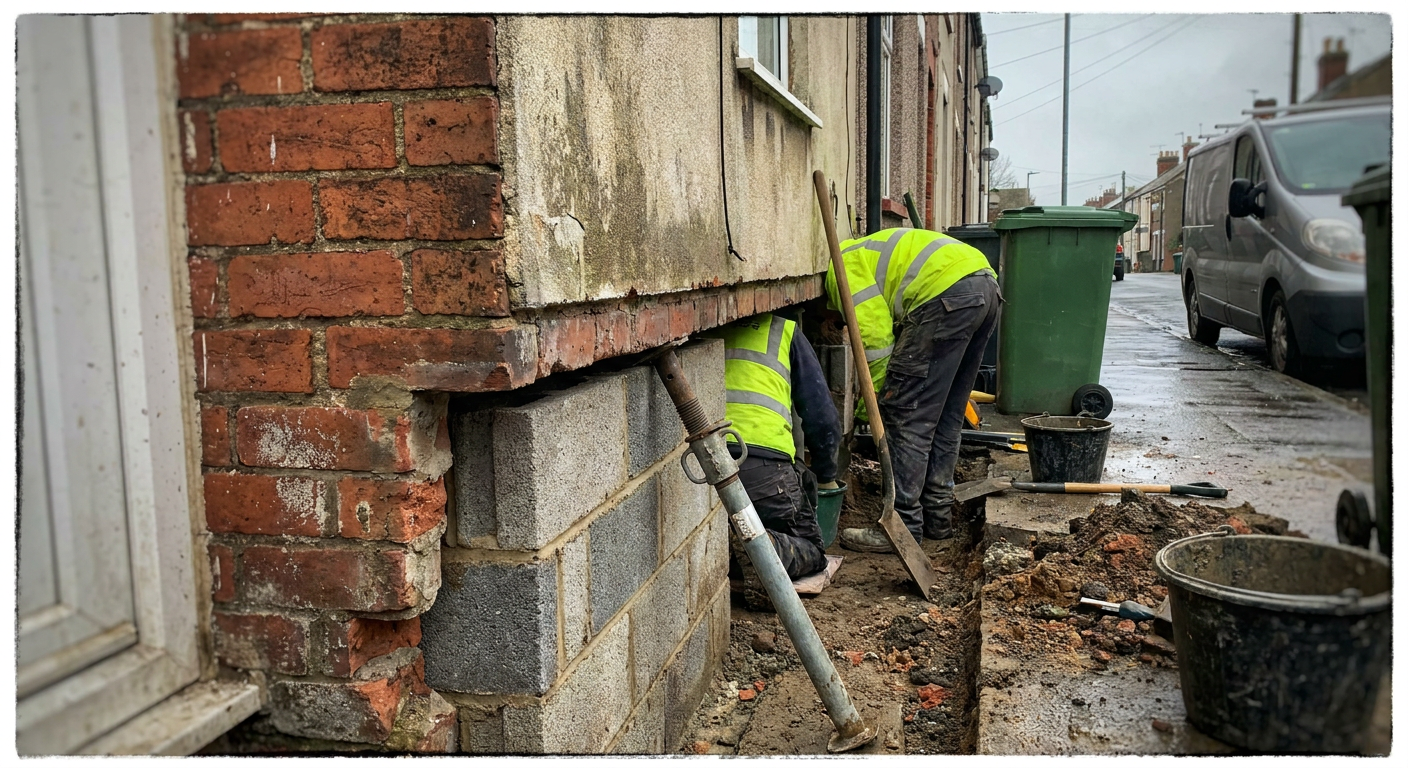
What the surveyor actually saw
When a buyers survey says movement in Preston, the valuer or chartered surveyor has usually spotted stepped cracks in brickwork, doors that stick, or gaps around window frames. A Level 3 survey might go further, noting cracking patterns that suggest the ground beneath the foundations has shifted. That note does not mean the house is falling down. It means the surveyor lacks the equipment or remit to say whether the shift is old, ongoing, or serious.
The standard advice in a level 3 survey cracks section is to commission a separate investigation. The surveyor flags the problem so the lender and the buyer know about it, then stops short of diagnosing the cause. Selling a house with a subsidence note on the file stalls the sale until someone with the right tools looks closer at the ground and the masonry.
A subsidence survey in Preston examines the soil, the drainage, nearby trees, and the depth of the existing footings. The specialist firm produces a report stating whether the movement is historic or active, and what repair is needed.
Dealing with a mortgage retention
A mortgage retention for structural movement happens when the lender will not release the full loan amount until they see proof the home is safe. They hold back funds, sometimes ten or twenty percent, pending a specialist report for the lender in Preston. This protects their security, but it leaves the buyer unable to complete the purchase on time.
To get the money released, the lender needs a document written by someone who deals with foundation problems every day. A general building surveyor cannot provide this. The specialist firm visits the home, takes measurements, checks the subsoil, and writes a structural engineer report for the house purchase that sets out the cause, the extent, and the remedy. If the movement stopped years ago, the report says so plainly. If the foundations need underpinning, the report specifies the method, such as mass concrete or mini piled foundations.
Once the lender receives and accepts that document, they lift the retention. Delays usually happen because the wrong type of professional was asked to write it, or because the report lacked detail about the local ground conditions.
Keeping the sale moving forward
Time is the main pressure during a purchase. Buyers want to exchange contracts; sellers want the deal to stay together. A specialist firm can usually visit a home within days of an enquiry and issue a written report shortly after the inspection. Speed matters, but accuracy matters more. Rushing the site visit risks missing something like a leaking drain or shallow clay, both common causes of cracked walls across Preston.
The question of who pays for the investigation often causes friction. Legally, neither side is forced to pay. In practice, if the seller wants the sale to proceed, arranging the report themselves removes a barrier. Some buyers prefer to commission it directly so they control the instruction and receive the findings first.
If the report recommends crack monitoring before any repair begins, the sale does not have to stop. Monitoring gauges track whether a crack is still widening. Lenders and insurers accept ongoing monitoring as a managed risk, provided the specialist firm explains the schedule. The buyer and seller can agree on who holds the monitoring contract after completion, allowing the transaction to close while the data is gathered over the following months.
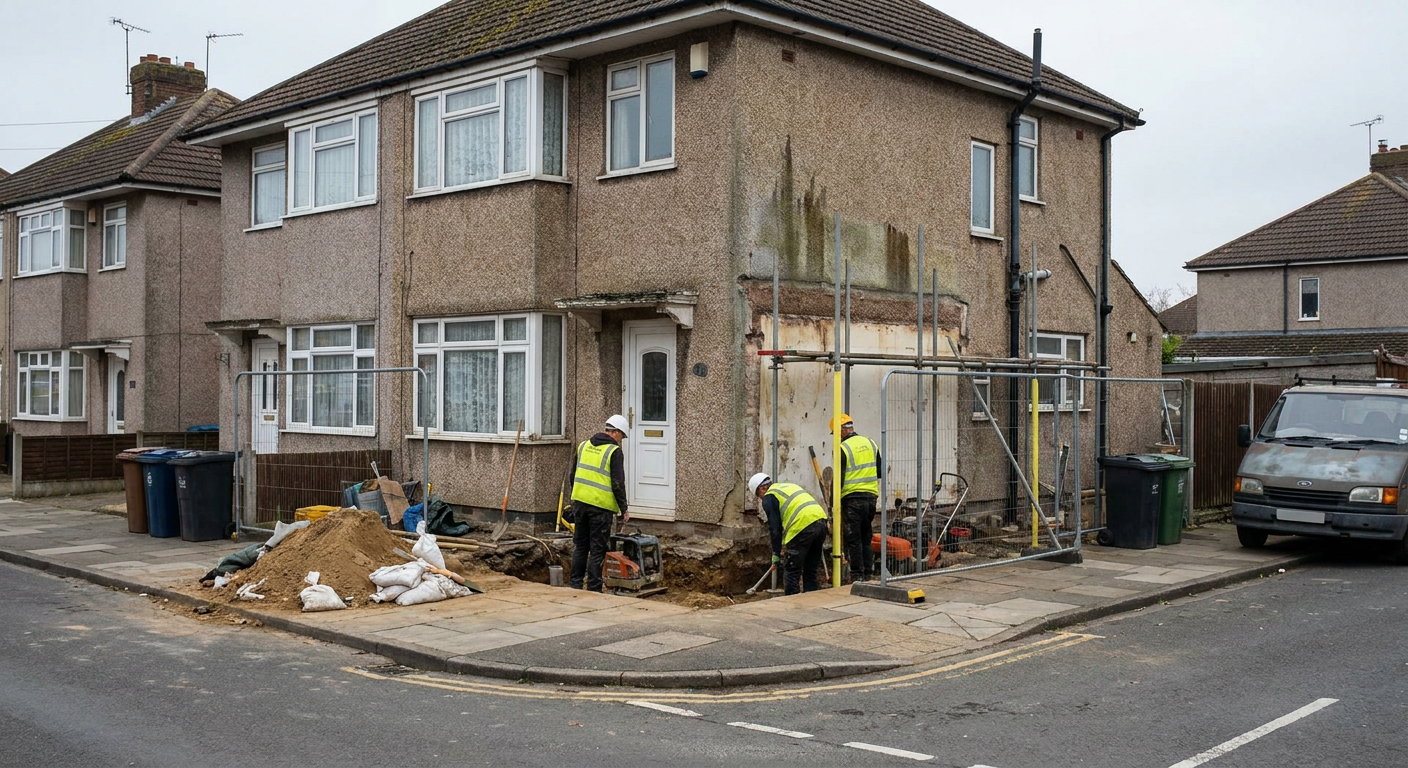
From survey note to completed sale
- 1
Send the survey extract
You pass the relevant pages from your Level 3 or valuation report so the specialist firm knows exactly what was flagged.
- 2
Book the site visit
The specialist firm inspects the home, measures the cracks, checks the drains, and assesses the soil beneath the foundations.
- 3
Receive the report
You get a written document detailing the cause of movement and any recommended repairs, ready to send to your lender.
- 4
Agree the next steps
Buyer and seller use the findings to decide on repairs, price adjustments, or monitoring, keeping the sale on track.
Questions buyers and sellers ask us
Does a Level 3 note mean the house has subsidence?
No. Structural movement covers settling, thermal expansion, and historic shifts. Subsidence means the ground is actively failing. Only a targeted investigation by a specialist firm confirms which one affects your home.
How do I get a mortgage retention released?
Send the lender a specialist report for the property. Once their underwriters accept the findings and any proposed repair plan, they remove the retention and release the held funds.
How quickly can a specialist inspect and report?
A specialist firm must visit the home, examine the cracks and assess ground conditions before writing anything. How long that takes depends on local availability and whether the site needs more than one visit. The written report follows once the investigation is complete.
Does a specialist report carry more weight than the survey?
Yes. Lenders rely on the specialist firm because the report addresses the specific cause of movement and the exact repair required, rather than just flagging a visible symptom.
Should the seller or buyer pay for the investigation?
There is no fixed rule. Sellers often pay to keep the buyer committed. Buyers sometimes pay to ensure they control the instruction and receive the unfiltered findings directly.
Do we have to wait months if monitoring is advised?
No. Crack monitoring can run after exchange or completion. The specialist firm fits gauges and reads them on a schedule. Lenders usually accept this arrangement without delaying the sale.
Can I renegotiate the price using these findings?
Yes. If the report identifies necessary work, such as resin injection or foundation repair, buyers routinely use the estimated cost to negotiate a lower purchase price.
Will historic movement make insurance harder in Preston?
Insurers ask about past claims and structural history. A clear report showing the movement is historic and stable usually allows standard cover. Ongoing issues may require a specialist policy.
Tell us what the survey found
Send the details from your report. We take enquiries for specialist firms covering Preston. Submitting a query costs nothing and does not commit you to buying any service or repair for your home.
- No obligation to proceed
- No fee for the enquiry
- Local firms only