Seasonal movement
New cracks after a dry summer: what causes them
Find out what the crack means and whether it needs attention. Send an enquiry about your home and a specialist firm will respond with advice at no cost to you.
Why new cracks appear after a dry summer in Preston
Clay shrinkage through a Lancashire summer
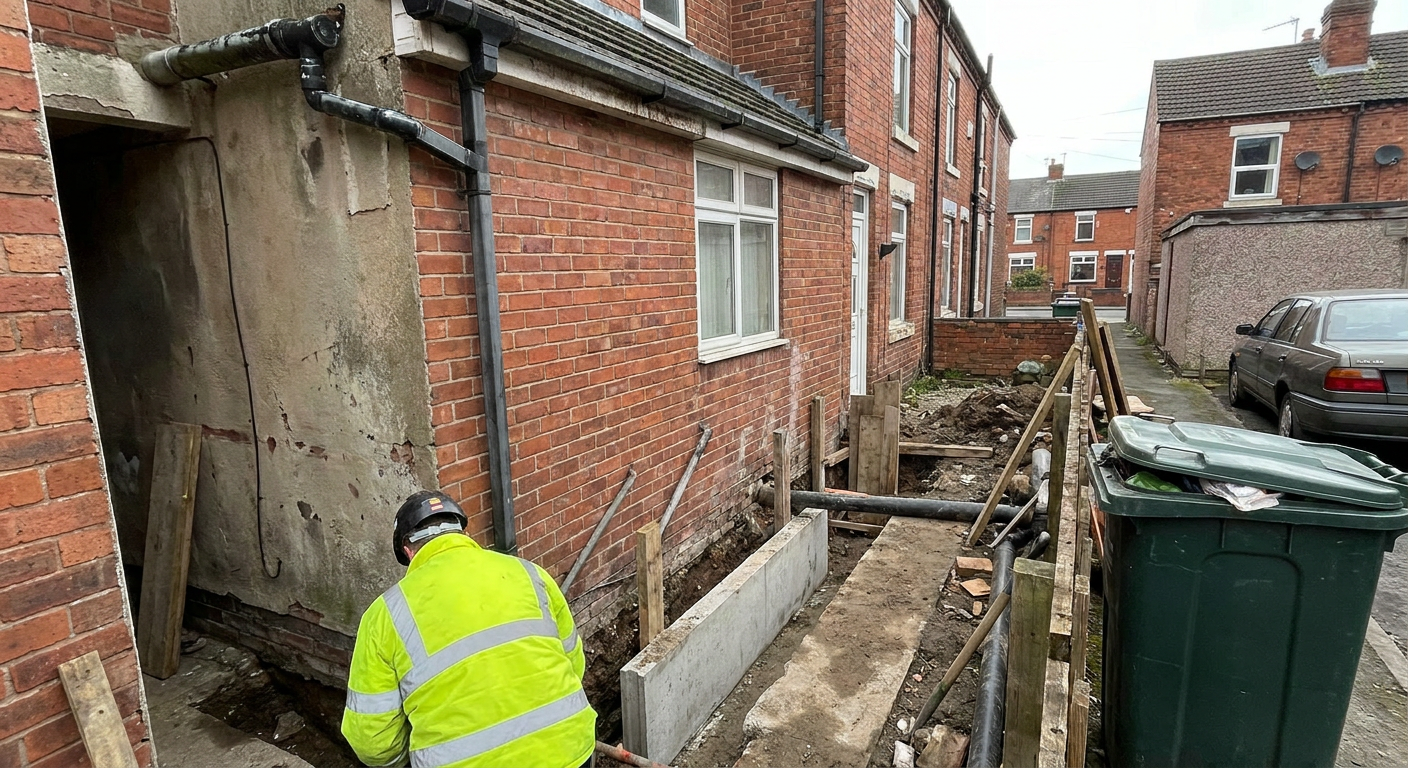
Much of Preston sits on boulder clay and glacial till, ground that holds water in winter and loses it when the weather turns hot. When moisture leaves the soil, the clay shrinks. Foundations resting on that clay drop slightly, and walls above them move. New cracks after a dry summer are the visible sign of that movement.
Hairline cracks after hot weather often follow the mortar lines between bricks. They tend to be thin enough to close a credit card into, and they usually appear on the side of the house that faces the sun longest. Because lancashire clay soil houses sit on ground that reacts so directly to rainfall, these seasonal cracks in walls are common across areas like Penwortham, Fulwood and Ashton-on-Ribble where the clay layer is thick.
A subsidence survey records the depth of the clay and the position of nearby trees. Both determine how far the ground can shrink. The specialist firm doing the work uses that information to decide whether the movement will stop once the rain returns or if the foundations need support.
Cracks that open in late summer and close again
If cracks appeared in late summer and seem narrower now, the timing points toward clay shrinkage rather than progressive failure. As autumn rain soaks back into the ground, the clay swells and pushes the foundation upward again. The gap closes. This cycle is why some cracks open and close yearly without ever growing wider from one year to the next.
That does not mean the wall is fine. Repeated movement fatigues brickwork and mortar. A crack that seals itself each winter still lets water in while it is open, and frost can widen it over several seasons. Measuring a crack at home with a simple gauge gives you numbers to compare month by month. Write the date and width on a piece of masking tape stuck beside the gap. Photograph it under good light.
Structural monitoring tracks this pattern over a full year. The specialist installs gauges that record movement to fractions of a millimetre, producing a chart that shows whether the wall is merely breathing with the seasons or drifting further out of line. That chart tells a surveyor exactly what the ground is doing beneath your home.
Telling clay shrinkage from genuine subsidence
Clay shrinkage cracks summer after summer follow a predictable rhythm. They widen during dry months and narrow when the ground rehydrates. Genuine subsidence behaves differently. The crack grows regardless of the weather, doors begin sticking in frames that used to swing freely, and gaps appear around window casements. If you notice sticking doors and windows alongside a widening crack, the problem has likely moved beyond seasonal change.
The type of soil matters. Homes near the Ribble sit on soft alluvial ground and silt rather than deep clay, so drought damage house foundations less often there. But streets higher up, in Grimsargh or Clayton-le-Woods, rest on thicker clay deposits that shrink dramatically. Knowing which parts of Preston sit on the clay that behaves like this helps explain why your neighbour's house stayed still while yours cracked.
Tree roots complicate the picture. A mature oak or poplar draws thousands of litres of water from the soil each week during summer, drying the clay far deeper than sunshine alone. The specialist firm checks root spread before recommending any remedy, because removing a tree too quickly can cause the clay to swell suddenly and heave the wall upward.
Watering the garden near the wall
Soaking the flowerbed against your foundations feels like a sensible way to keep the clay damp. In practice it rarely helps and sometimes causes harm. Water poured onto the surface evaporates quickly or runs sideways along the topsoil rather than reaching the clay beneath the footing. Heavy watering can also saturate loose fill material around old drains, washing fines away and creating voids.
If a leaking drain already exists under the garden, adding more water increases the flow through the damaged pipe and accelerates the washout. Before trying to rehydrate the ground, the specialist firm checks drainage first. A camera survey down the pipes rules out leaks as a contributing factor.
Consistent, gentle moisture is better than sudden flooding, but managing soil hydration is not a substitute for proper repair when foundations have already moved. The right approach depends on what the ground investigation finds. Sometimes resin injection stabilises the soil; other situations require mass concrete or mini piled underpinning to reach firmer strata below the shrinking clay layer.
Waiting until spring or acting now
Spring brings rain, and the cracks may close. Waiting seems logical. But if the same crack reopens every summer, the clay beneath your home is cycling through shrink and swell phases that gradually weaken the masonry. Each year the gap might take longer to close, or it might not close fully at all.
Getting the wall looked at now means the specialist firm can install monitoring equipment before winter. By the time the next dry spell arrives, there is already a baseline of measurements to compare against. Without that record, you are relying on memory and rough estimates of width.
An insurer will treat a seasonal crack differently from a progressive one. Policies typically cover subsidence but exclude normal thermal movement. The distinction rests on evidence. A report showing the crack opened during drought, closed with rain, and repeated the pattern over two years supports a seasonal diagnosis. Progressive movement produces a different chart. The specialist provides that data so the insurer can make a fair assessment of your claim.
What affects the cost of repairing seasonal cracks
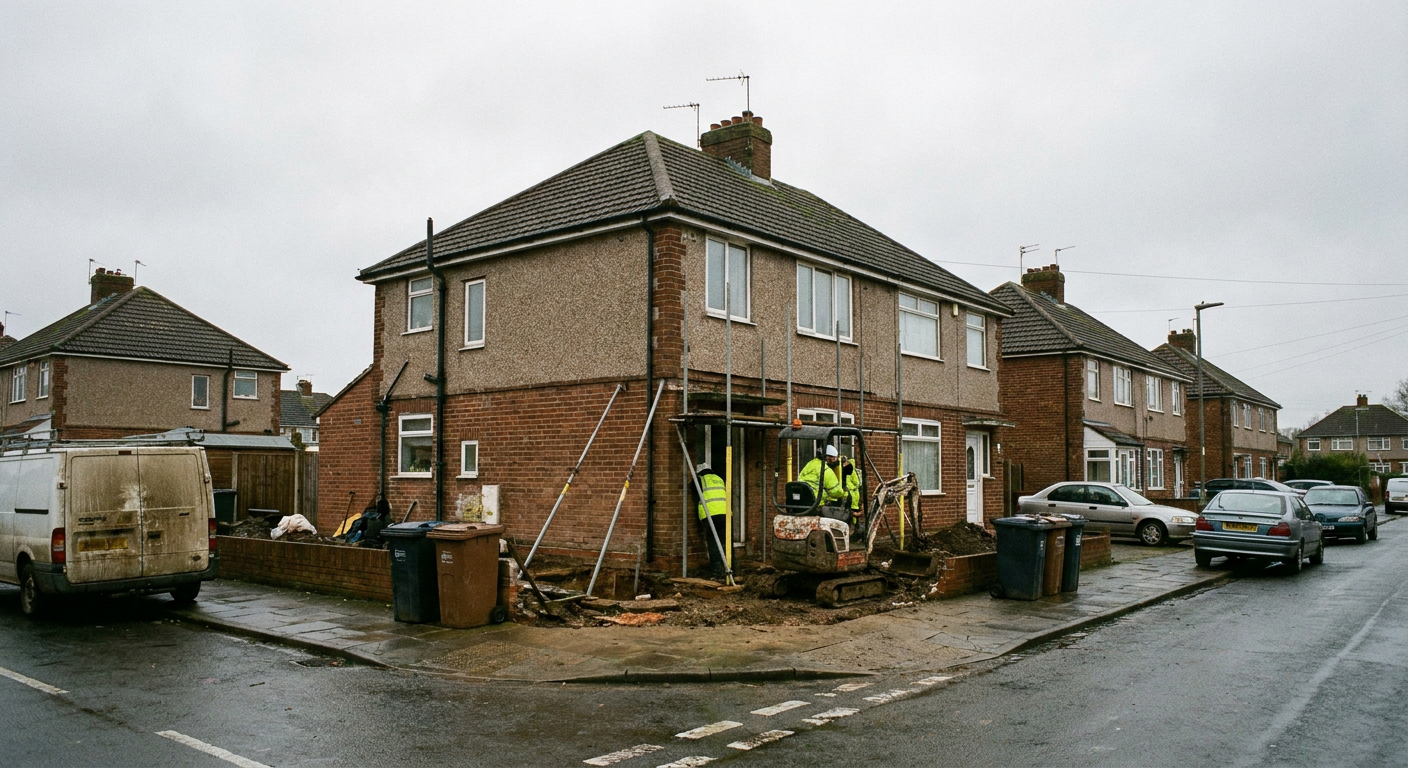
Every home sits on different ground, carries a different load, and has moved by a different amount. The method the specialist firm chooses depends on those variables.
- Depth of the clay layer
- Deeper shrinkable clay means foundations must reach further down to stable ground, increasing excavation and materials.
- Extent of the cracking
- A single hairline crack needs less repair work than multiple stepped fractures running across several walls.
- Access around the house
- Narrow side returns or rear gardens restrict machinery, requiring smaller equipment and more manual labour.
- Drainage condition
- Leaking drains must be fixed before underpinning begins, adding separate plumbing work to the overall job.
The specialist firm explains the full cost of your particular job before any work is agreed.
Questions about summer cracks in Preston homes
Common things homeowners ask when a wall moves after a dry spell.
- Keeping a record over winter
- Photograph the crack monthly with a ruler beside it. Note the date and width. A specialist firm uses this log to confirm seasonal movement.
- Will insurance cover it?
- Insurers distinguish between seasonal thermal movement and progressive subsidence. Evidence from structural monitoring determines which category your claim falls into.
- Does watering help?
- Surface watering rarely reaches the clay under foundations and can wash out loose soil. A specialist firm checks drains before advising on moisture management.
- Should I wait until spring?
- Installing crack monitors now captures the winter recovery phase. Waiting means losing half the annual movement cycle from the data.
Ask about the cracks in your home
Send details of what you have noticed and a specialist firm will review them. There is no charge for this initial advice and it does not commit you to any building work.
- No obligation
- Free initial advice
- Local specialists