After the work
After underpinning: records, guarantees and resale
Find out which documents to keep after underpinning and why buyers will ask for them. Send an enquiry if you need help understanding what was done to your home. There is no charge for asking.
After underpinning: records, guarantees and resale
Why paperwork matters once the ground is stable
When a specialist firm finishes underpinning a home, the physical work stops but the paper trail begins. Buyers, mortgage lenders and insurers all treat subsidence history as a material fact. They expect proof that the problem was identified correctly, treated properly and signed off by the right authorities.
A home with missing paperwork raises questions that are harder to answer than the crack itself. The buyer's solicitor will ask for evidence during conveyancing. Without it, the sale stalls or the price drops because the risk cannot be priced accurately. Keeping every document together from the start avoids this entirely.
The first step is knowing what counts as a record. A verbal reassurance from the contractor who dug the trench does not satisfy a lender. Written reports, dated photographs and stamped certificates do. Gather them into one folder, physical or digital, and store it somewhere you would naturally look when preparing to sell.
The survey report and structural drawings
Every underpinning job starts with a diagnosis. The subsidence survey carried out before work begins explains why the foundations moved. It details the soil conditions, the depth of the existing footings and the cause of the settlement. For homes in Preston, this often means noting boulder clay or made ground beneath the house.
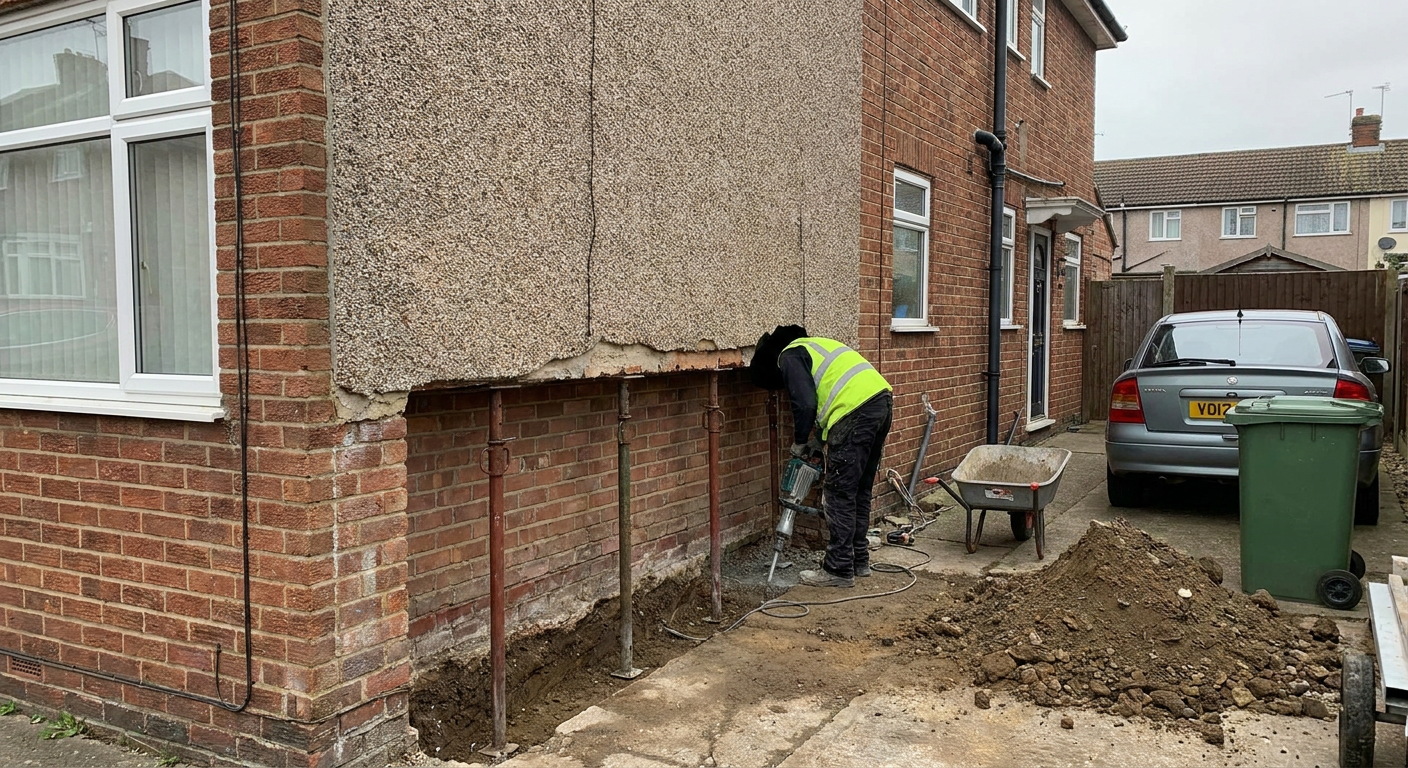
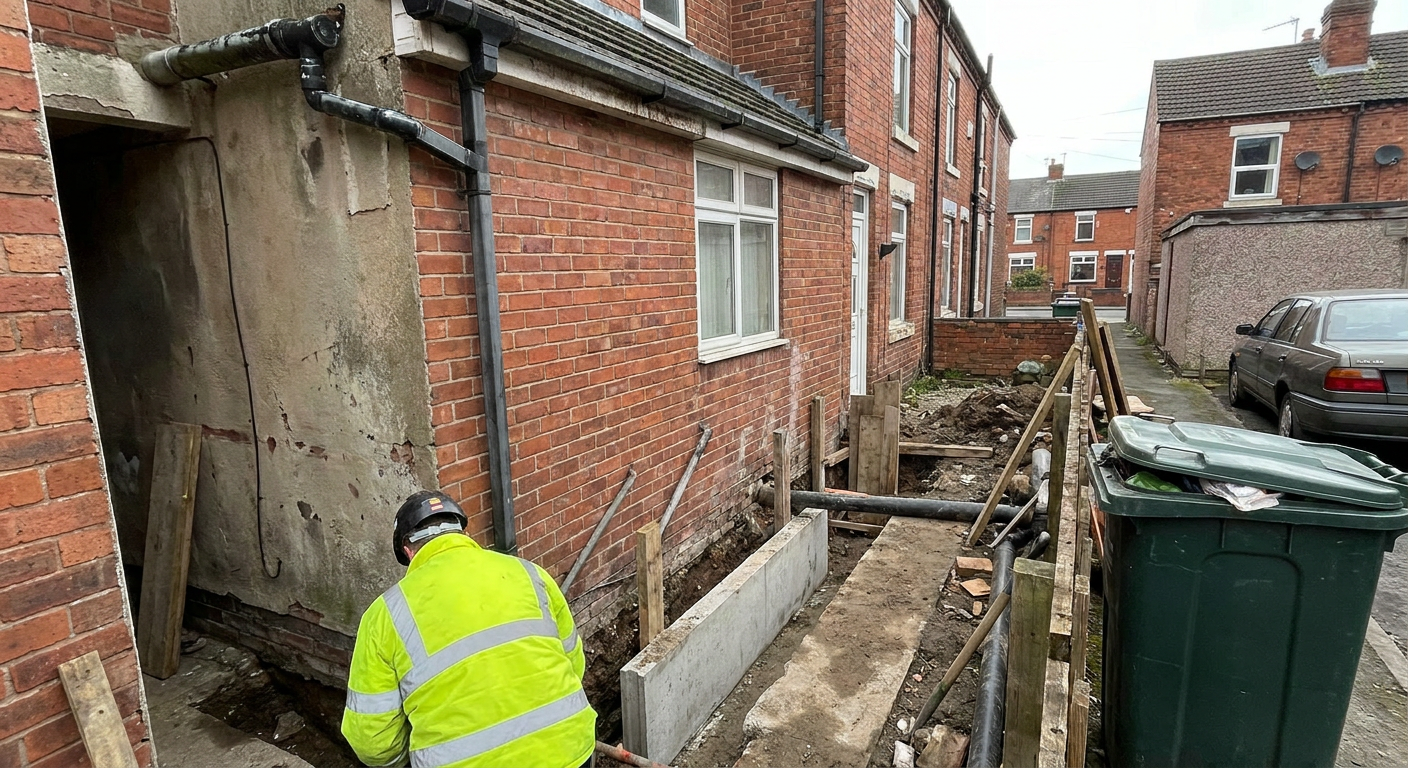
The structural engineer's drawings show exactly what was designed to hold the building up. If mass concrete was used, the plans show the depth and width of each new pier. If mini piled underpinning was chosen instead, they show where the piles were driven and how they connect to the existing wall.
These drawings prove the work was engineered rather than improvised. A buyer's surveyor will compare the finished job against the original design. If the two match, the surveyor can confirm the repair is sound. Keep the initial survey and the final drawings side by side so the comparison is straightforward.
Building control sign-off and completion certificates
Underpinning requires approval from the local authority building control team or an approved inspector. This applies whether the work supports a whole house, stabilises an extension or deepens a cellar floor during basement underpinning.
Once the inspector has checked the excavations, the reinforcement and the concrete pours, they issue a completion certificate. This single document confirms the work meets building regulations. Without it, a buyer's solicitor will flag the property as having unauthorised structural alterations.
Some homeowners assume the contractor handles this automatically. Specialist firms usually submit the applications, but the certificate belongs to the homeowner. Ask for the original copy and check that the address, the date and the description of the work are accurate. If resin injection was used instead of traditional concrete, the paperwork differs slightly, but building control still needs to be satisfied that the ground treatment meets the required standard.
Guarantees and insurance-backed warranties
A guarantee from the firm that did the work states what happens if the foundations move again. Read the terms carefully. Some cover only the materials; others include labour and any resulting damage to the walls above.
An insurance-backed warranty goes further. If the original contractor stops trading, the insurer honours the guarantee. Mortgage lenders frequently insist on this for properties with a history of subsidence. A ten-year policy is common, but the length varies depending on the method used and the ground conditions.
Store the guarantee alongside the completion certificate. When you sell, hand both over at the same time. Insurers assessing a new buildings policy will want to see the warranty before they agree to cover the home at standard rates. Missing guarantees often mean higher premiums or exclusions for future movement.
Crack monitoring records and repair invoices
Underpinning stabilises the foundation, but the walls above still need attention. Crack monitoring tracks whether movement continues after the new support is in place. Gauges fixed across a crack record tiny changes over weeks or months. These readings form a timeline that proves the structure has settled.
Once monitoring confirms stability, a specialist handles crack repair. This might involve stitching brickwork, replacing lintels or repointing mortar joints. The invoices for this phase matter just as much as the foundation paperwork. They show the cosmetic damage was addressed professionally rather than painted over.
Keep the monitoring data with the repair receipts. Together they tell a complete story: the ground was stabilised, the walls were watched until they stopped moving, and the visible damage was fixed. That sequence is exactly what a cautious buyer wants to read.
Selling a home with a history of subsidence
Disclosing past subsidence is a legal obligation during a house sale. Hiding it risks the transaction collapsing later or a claim for misrepresentation after completion. The better approach is to present the full file early.
Give your estate agent copies of the survey, the building control certificate and the warranty before the property goes on the market. When a buyer asks questions, the answers are already in their hands. This removes uncertainty, which is the main reason sales of underpinned homes fall through.
Some buyers worry that underpinning makes a house fragile. The paperwork shows the opposite. A home with documented foundation repair is often more secure than one sitting on untested ground. The records prove someone investigated the soil, designed a solution and verified the result. That level of scrutiny is something most older houses in Preston never received when they were first built.
Ask about the paperwork for your home
Send a message describing what work was done and which documents you have. Someone will reply with guidance on what to gather next. There is no fee for the advice and no obligation to proceed.
- No charge for advice
- No obligation to proceed
- Local knowledge